
Exploring the realm of Direct Mail Marketing for Financial and Insurance Services unveils a world of strategic communication tailored to these specific industries. Get ready to delve into the nuances and essentials of reaching your audience through the mail.
Delve deeper into the key aspects of targeting, content creation, design, and data analytics that shape successful campaigns in the financial and insurance sectors.
Overview of Direct Mail Marketing for Financial and Insurance Services
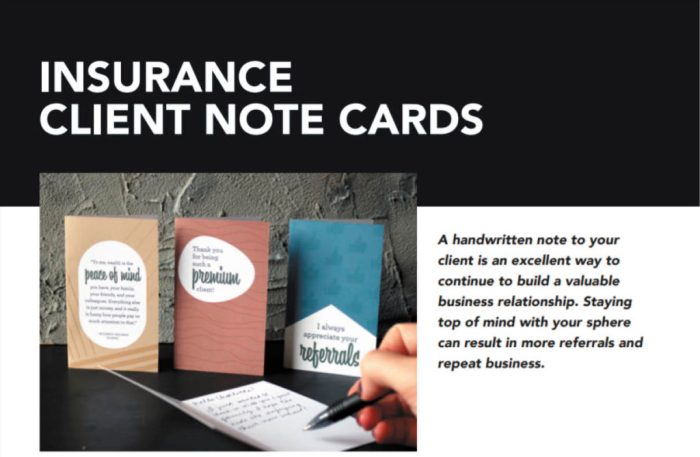
Direct mail marketing in the context of financial and insurance services involves sending promotional materials, such as brochures, flyers, and letters, directly to potential customers through the mail. This form of marketing aims to attract new clients, retain existing ones, and increase brand awareness within these industries.Direct mail marketing is crucial for financial and insurance services due to its personalized and targeted approach.
It allows companies to tailor their messages to specific demographics, increasing the likelihood of converting prospects into clients. Moreover, direct mail campaigns can provide valuable information about products and services, educate customers about complex financial topics, and establish credibility and trust with the audience.
Examples of Successful Direct Mail Campaigns in Financial and Insurance Services
- One successful direct mail campaign in the financial sector was carried out by a wealth management firm targeting high-net-worth individuals. The firm sent out personalized letters highlighting the benefits of their customized investment solutions, resulting in a significant increase in client acquisitions.
- An insurance company launched a direct mail campaign offering discounted rates for bundled insurance packages to homeowners in specific zip codes prone to natural disasters. This targeted approach led to a higher response rate and an increase in policy sales.
- A credit card company sent out pre-approved credit card offers to individuals with a good credit score, emphasizing exclusive rewards and benefits. This campaign resulted in a surge in new card activations and increased customer loyalty.
Target Audience Identification
Identifying the target audience is crucial for the success of direct mail campaigns in financial and insurance services. By understanding the demographics, behaviors, and needs of potential customers, companies can tailor their messaging to resonate with specific segments of the market.
Segmenting the Audience
Segmenting the audience based on demographics such as age, income, location, or occupation can help companies create targeted campaigns that address the unique needs of different groups. By analyzing past customer data and market research, companies can identify patterns and preferences that allow for more personalized messaging.
- Demographics: Tailoring messages based on age, income, family status, or other demographic factors can help companies reach specific audience segments effectively.
- Behavior: Understanding customer behavior, such as past purchase history, interactions with the company, or response to previous campaigns, can help companies predict future actions and customize messaging accordingly.
- Preferences: Taking into account customer preferences, such as communication channels, product interests, or service needs, can guide companies in creating personalized and relevant content for each audience segment.
Personalized Messaging
Personalization is key in targeting specific audience segments effectively. By crafting messages that speak directly to the needs and interests of each group, companies can increase engagement and conversion rates. Personalized content can include addressing customers by name, referencing past interactions, or offering tailored solutions based on individual preferences.
Personalization not only improves the response rate of direct mail campaigns but also enhances customer loyalty and brand perception.
Content Creation and Design
When creating content for direct mail marketing in financial and insurance services, it is crucial to be clear, concise, and compelling. The content should focus on the benefits of the services offered, address the pain points of the target audience, and provide a clear call to action.
Design elements play a significant role in capturing the audience's attention and conveying key messages effectively. Incorporating branding guidelines and compliance requirements into the design ensures consistency and professionalism in direct mail pieces.
Best Practices for Creating Compelling Content
- Highlight the unique selling points of your financial or insurance services.
- Address the specific needs and concerns of the target audience.
- Use clear and concise language to communicate the benefits of your services.
- Create a sense of urgency or exclusivity to prompt immediate action.
Role of Design Elements
- Use eye-catching visuals and graphics to grab the audience's attention.
- Ensure the layout is clean and easy to read, with a good balance of text and images.
- Incorporate color schemes and fonts that align with your brand identity.
- Include clear and prominent calls to action to guide the audience on the next steps.
Tips for Incorporating Branding and Compliance Requirements
- Adhere to brand guidelines for logos, colors, and messaging to maintain brand consistency.
- Include required disclosures and legal information in a prominent and easily readable format.
- Ensure that the design of the direct mail pieces reflects the professionalism and credibility of your financial or insurance services.
- Work closely with compliance teams to ensure that all regulatory requirements are met without compromising the design and effectiveness of the direct mail campaign.
Data Analytics and Measurement

Data analytics plays a crucial role in optimizing direct mail campaigns for financial and insurance services. By leveraging data insights, companies can enhance targeting, personalize content, and improve overall campaign performance.
Key Metrics for Tracking Success
- Response Rate: Measure the percentage of recipients who respond to the direct mail piece by taking the desired action, such as visiting a website or contacting the company.
- Conversion Rate: Track the number of recipients who not only respond but also complete a desired action, such as purchasing a financial product or signing up for an insurance policy.
- ROI (Return on Investment): Calculate the return generated from the direct mail campaign compared to the investment made, including printing, postage, and distribution costs.
- Customer Acquisition Cost: Determine how much it costs to acquire a new customer through the direct mail campaign, helping assess the campaign's efficiency.
Strategies for A/B Testing and Refinement
A/B testing is a valuable strategy to optimize direct mail campaigns based on performance data. By testing variations of key elements like messaging, design, or offer, companies can identify what resonates best with their target audience and refine future campaigns accordingly.
Some key strategies for A/B testing include:
- Testing Headlines and Call-to-Actions: Experiment with different headlines and CTAs to see which ones drive higher response rates.
- Varying Offers: Test different offers or incentives to understand what motivates recipients to take action.
- Segmentation Testing: Divide the audience into segments and test tailored messaging to see which segment responds best to specific content.
- Timing and Frequency: Test the timing and frequency of mailings to determine the optimal cadence for engaging recipients without overwhelming them.
End of Discussion
Concluding our discussion on Direct Mail Marketing for Financial and Insurance Services, it's evident that a well-crafted approach can yield significant results in engaging audiences and driving business growth. Remember, the power of personalized communication through direct mail is a force to be reckoned with in these competitive industries.
Popular Questions
How can I effectively target my audience for direct mail campaigns in financial and insurance services?
Effective targeting involves understanding your audience's demographics, behaviors, and preferences to tailor your message accordingly. Utilize data analytics for better segmentation.
What are some best practices for creating compelling content in direct mail marketing for these industries?
Engage your audience with relevant and valuable content. Highlight benefits, use clear language, and incorporate strong calls-to-action to drive response rates.
How can data analytics be leveraged to optimize direct mail campaigns for financial and insurance services?
Data analytics can help measure campaign performance, track key metrics, and refine strategies based on insights. A/B testing is crucial for continuous improvement.